

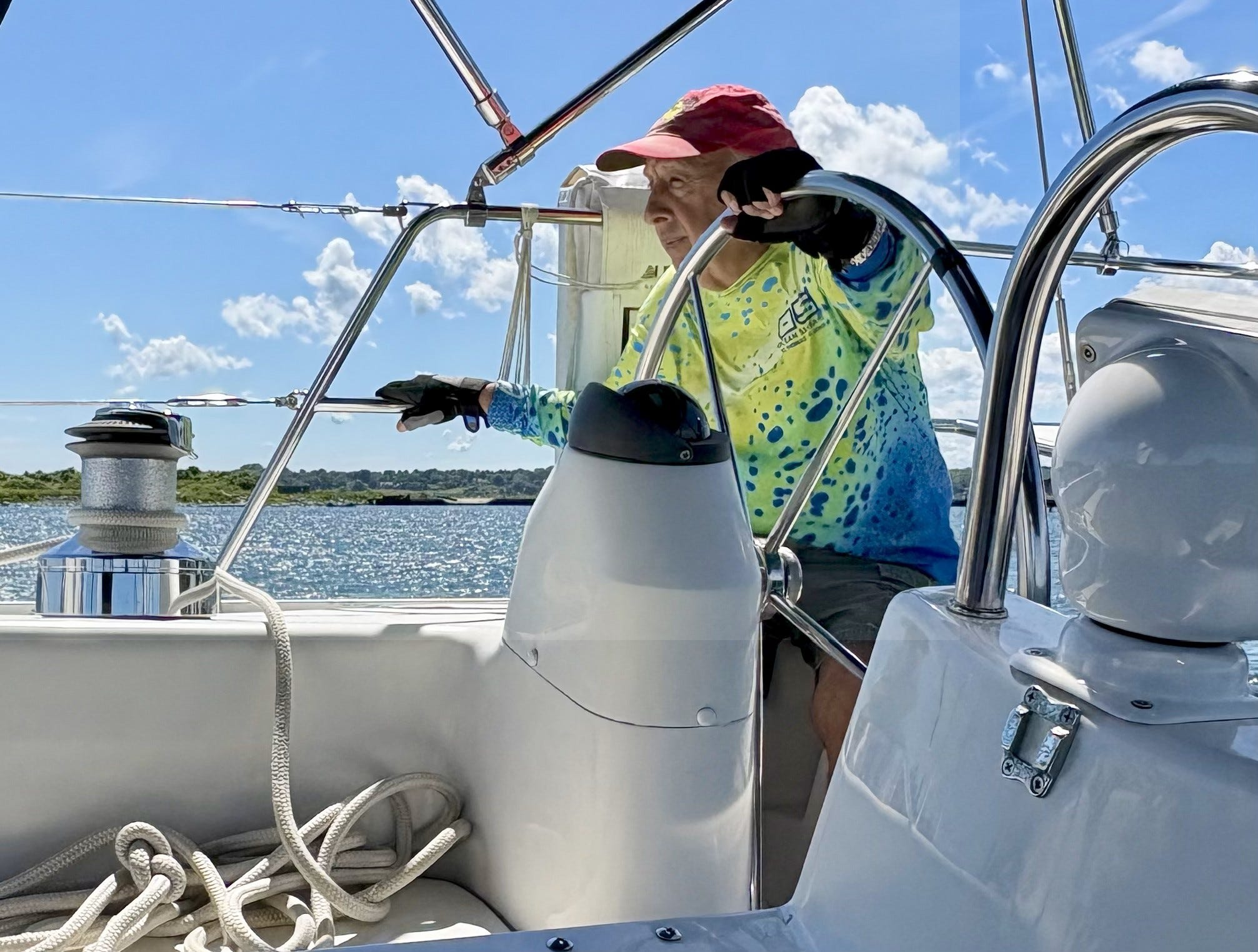
I didn’t expect to improve my business skills out in the middle of the ocean.
But after nine days of sailing — navigating changing winds, planning routes, avoiding hidden shoals, and keeping a crew working together — I realized the lessons from the helm are the same ones that have kept my business thriving for 28 years.
In both sailing and business, there’s one truth you can’t avoid:
You either set your course, or the elements set it for you.
The Two Ways to Start a Journey
When we prepared for our nine-day trip, we had two options:
Untie the lines and figure it out as we go.
It’s spontaneous, adventurous — but risky. Without a clear destination, you can drift aimlessly, waste resources, or sail straight into trouble.Plan the journey in advance.
We could choose our destinations for each day, note where we’d stay in port, and decide where we wanted downtime to enjoy the local sights.
We chose option two. Not because it’s safer (though it is), but because it gives us the freedom to adapt without panic.
In business, you have the same choice.
You can launch without a plan, or you can map out your route while leaving room for flexibility. Planning doesn’t chain you to a rigid schedule — it equips you to make better decisions when conditions change.
Action step: Before your next business quarter, outline three main destinations (goals) you want to reach, the routes to get there (strategies), and potential detours (alternate plans).
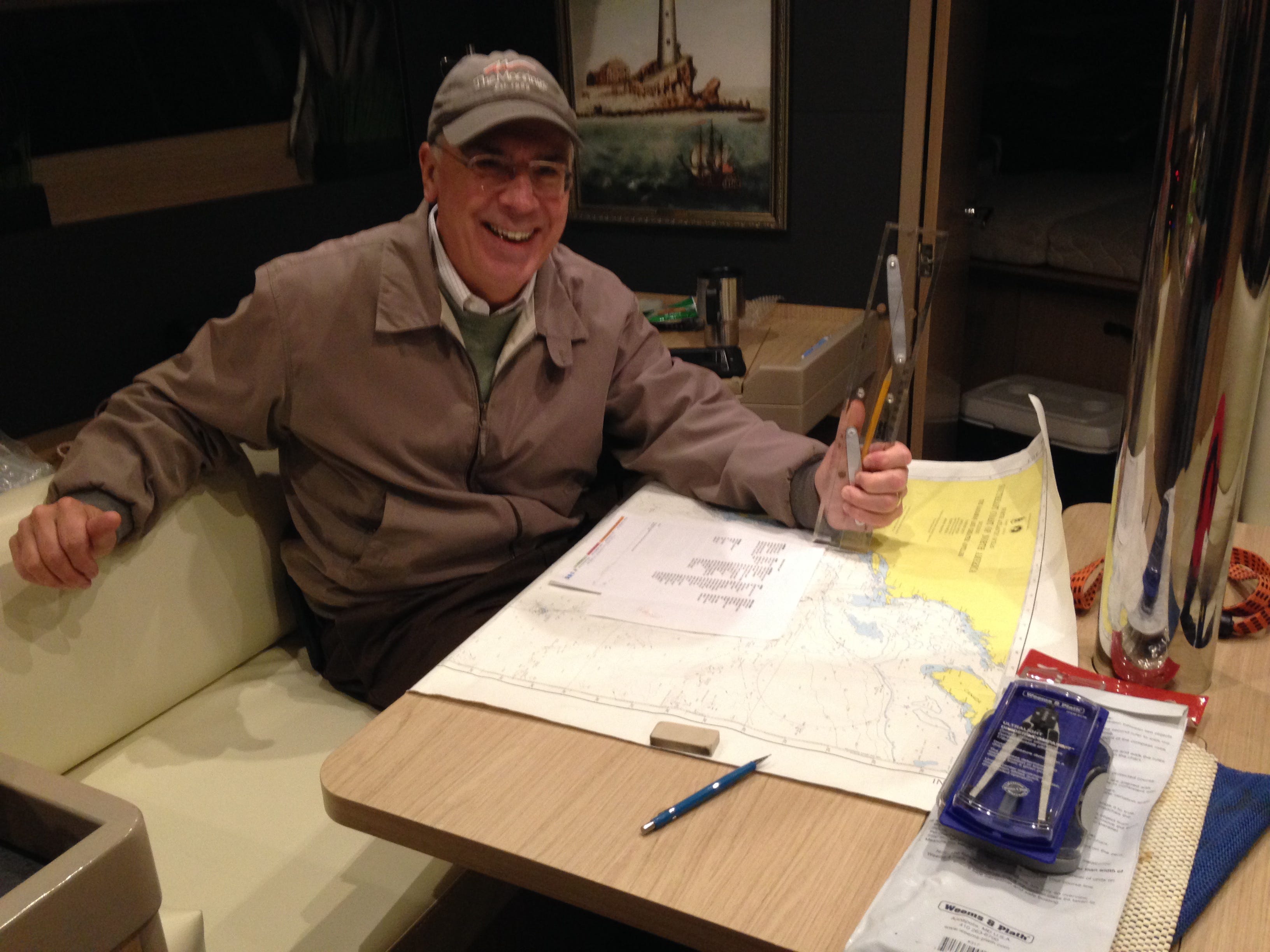
Plotting the Course — Strategy Before Action
Before we left the dock, we studied the charts — nautical maps that showed not just the open water, but the hidden shallows and underwater hazards. Our boat had a six-foot keel — the fin below the hull that keeps the vessel upright and sailing efficiently.
Here’s the thing: from above, the water can look deep and inviting. But there are plenty of places where the depth suddenly drops to four or five feet. If your keel hits bottom, the boat can go aground, damage can occur, and your trip can turn from adventure to disaster in moments.
In business, the “shallows” are the problems you don’t see without research — compliance issues, underfunded projects, unrealistic timelines, or underestimated competition.
Action step: Before you “set sail” on any new project, list three possible “hidden shoals” that could derail it. Then create preventive measures for each one.
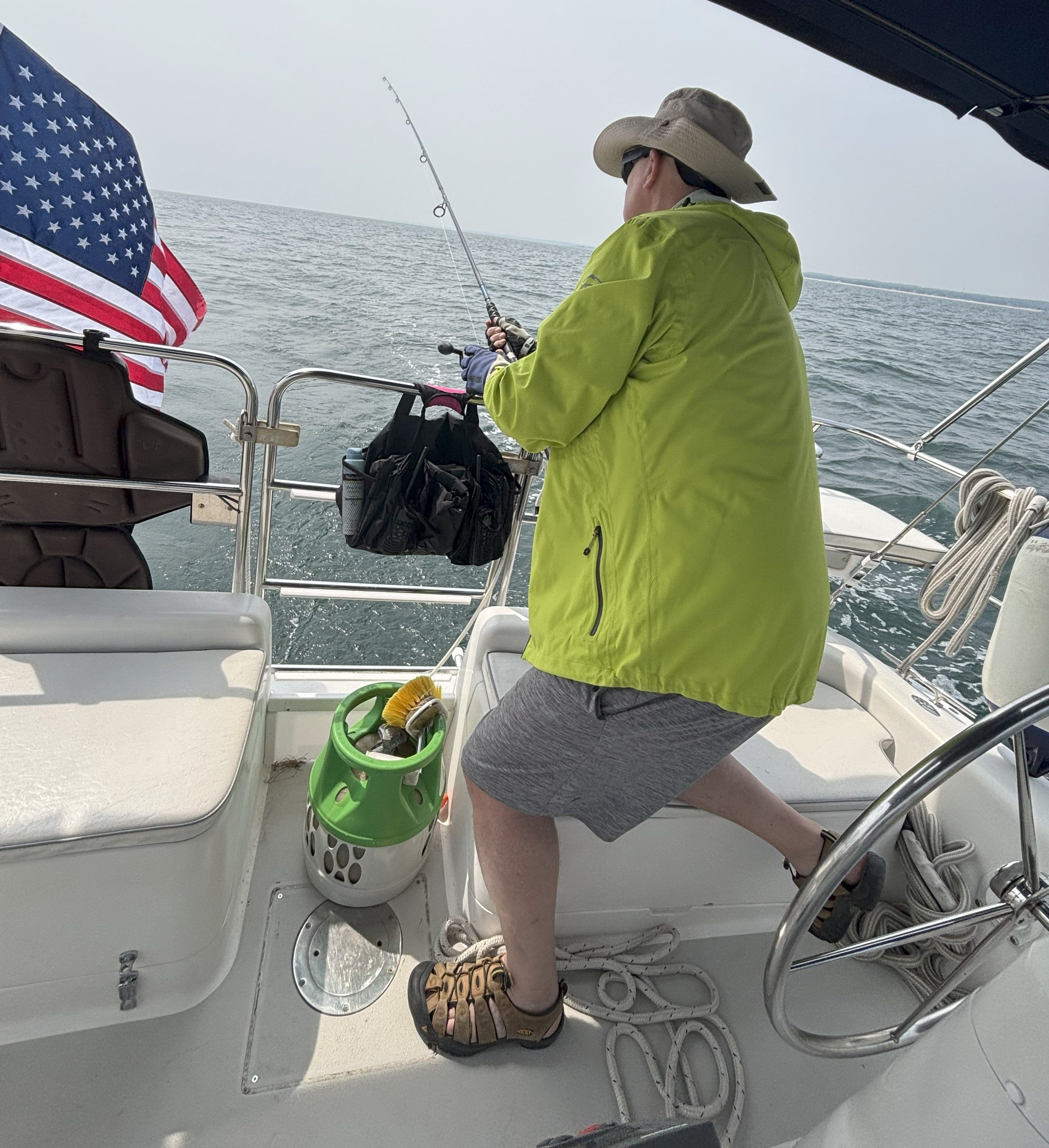
Provisioning — Preparing Your Resources
We couldn’t just sail out and hope food and water would magically appear. Provisioning meant planning for nine days’ worth of meals, snacks, and — most importantly — water.
Here’s a proven rule from years of sailing: plan half a gallon of water per person, per day. It might sound like a lot, but at sea, hydration keeps the crew alert, energized, and healthy.
In business, “provisioning” means ensuring you have the resources — financial, human, and operational — to complete the journey. Many entrepreneurs set off with great ideas but run out of “water” halfway through — whether that’s capital, staff bandwidth, or market momentum.
Action step: Before launching a new initiative, calculate the resources you’ll need — then add a 20% buffer. That buffer is your business equivalent of extra water on board.
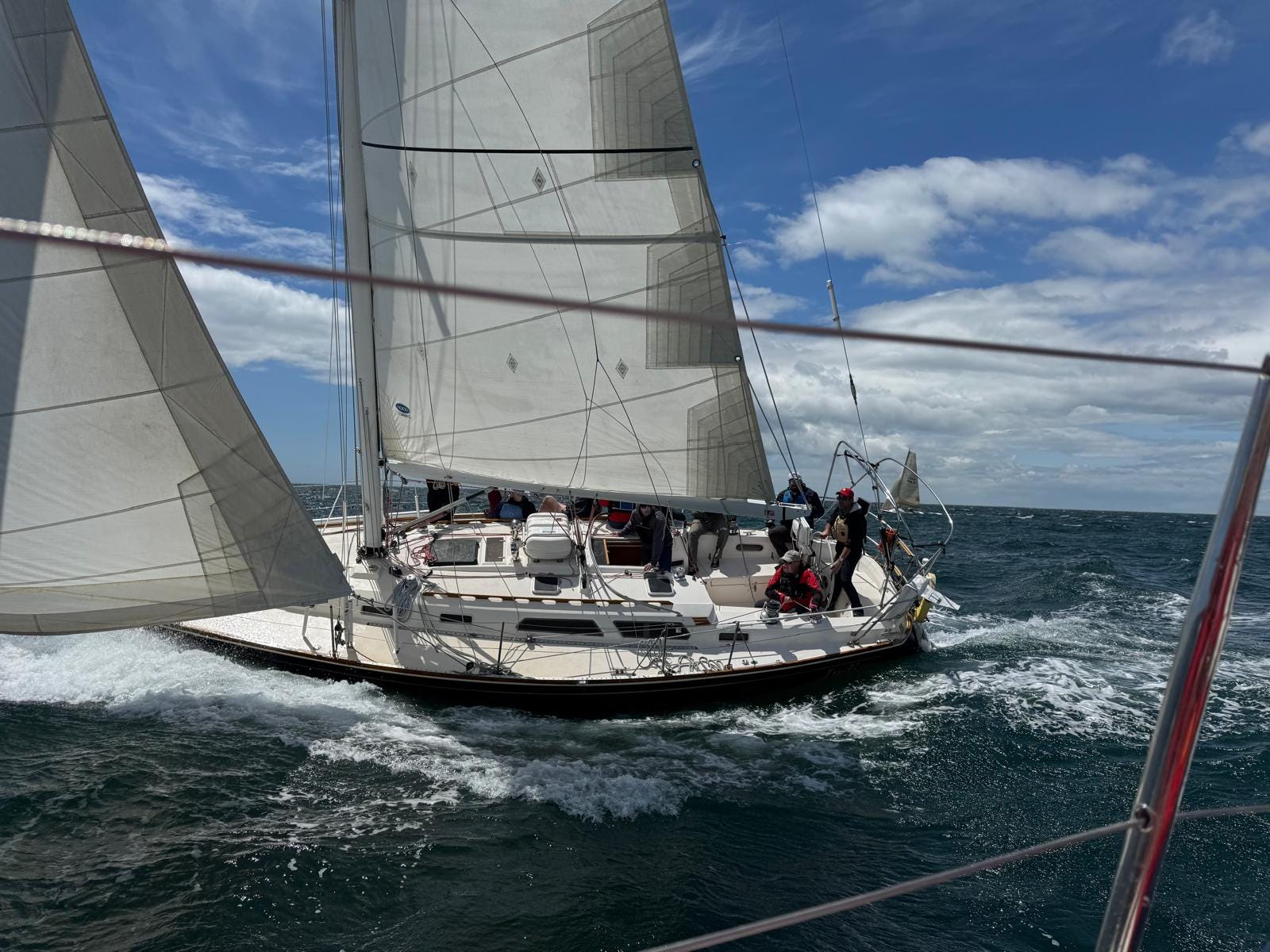
Reading the Weather — Adapting to Change
At sea, the conditions can shift in minutes. A calm, sunny morning can turn into a blustery afternoon with rising swells. That’s why we checked the weather constantly and kept “what if” scenarios ready.
In business, the weather is your market environment — and it can shift just as quickly.
New competitors appear.
Technologies emerge.
Customer expectations evolve.
The most successful leaders aren’t the ones who cling to the original plan no matter what. They’re the ones who read the signs early and adjust their sails accordingly.
Action step: Build a “change dashboard” in your business. Track three leading indicators that could signal market shifts — such as customer buying patterns, industry news, or competitor moves — and review them weekly.
Trimming the Sails — Small Adjustments, Big Impact
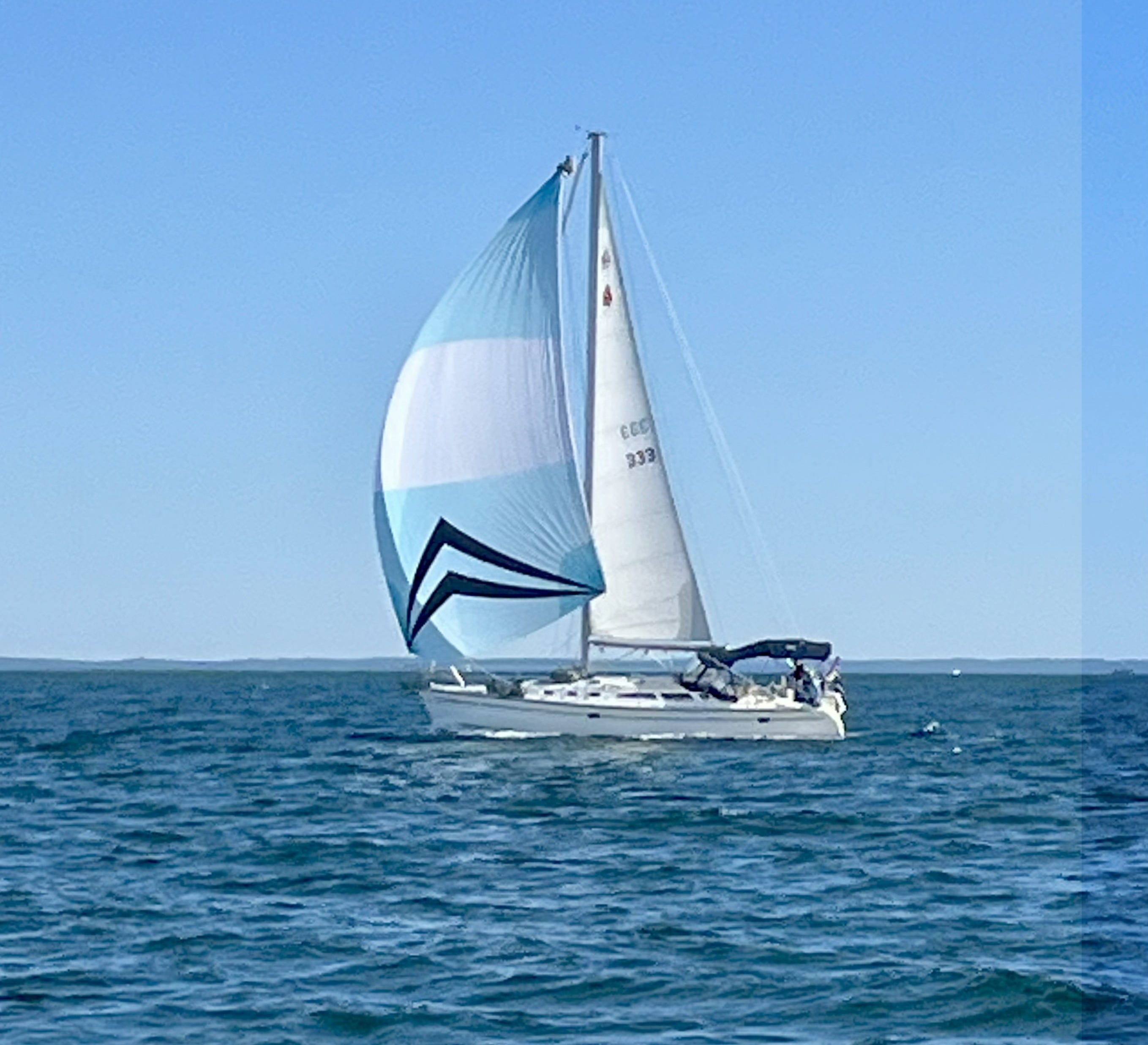
Sometimes, improving your boat’s performance doesn’t require overhauling the whole setup. A small tweak to the sail trim can add speed, stability, and efficiency without changing the course.
In business, big gains often come from small, thoughtful changes — refining a sales pitch, streamlining a process, or improving follow-up with customers.
Action step: Identify one process in your business that causes friction — for customers, employees, or suppliers — and make a 10% improvement to it this month.
Crew and Leadership — The Human Element
On our boat, teamwork wasn’t optional — it was survival. We had to communicate clearly, trust each other’s skills, and know exactly who was doing what.
In business, even if you’re a solo entrepreneur, you have a “crew” — vendors, clients, partners, or contractors. And if you lead a team, your ability to delegate, communicate, and maintain morale directly affects whether you make it to your destination.
Action step: Hold a 15-minute “crew meeting” once a week to review priorities, clarify roles, and surface potential problems before they become crises.
Weathering the Storm — Resilience in Tough Times
If you stay in business long enough, you’ll experience both calm seas and fierce storms. When the weather turns, panic is the enemy. Preparation, trust in your skills, and steady decision-making are your lifelines.
The same is true in business downturns. The companies that survive and thrive are the ones that’ve planned for lean times, kept cash reserves, and maintained strong relationships even when budgets tighten.
Action step: Create a “storm plan” for your business. Identify what actions you’d take if revenue dropped 25% overnight, or if your largest customer left. Having a plan reduces fear and speeds up your recovery.


Celebrating the Journey
Our sailing trip was a joy because we planned it well — but also because we embraced the unexpected moments: a stunning sunset, a friendly harbor, or a pod of dolphins racing alongside the bow.
The same is true for business. The milestones matter, but so do the surprises and lessons along the way. That’s why my business still uses “plan two” — the thoughtful, prepared route. It’s one of the reasons we’re celebrating 28 years in business this year.
Final Thought: You Are the Captain
Whether you’re navigating a 40-foot sailboat or a multimillion-dollar business, remember:
You can’t control the wind, but you can adjust your sails.
You can’t avoid every storm, but you can prepare for them.
You can’t sail without risk, but you can chart a course that stacks the odds in your favor.
So plot your course, provision your resources, watch the weather, and lead your crew well. Success — in sailing and business — isn’t just reaching the harbor. It’s becoming the kind of captain who can make the voyage again and again, in any waters.
If you’d like to experience a sailing adventure that’s fun, challenging, and a powerful way to sharpen your business thinking, Sailing to Success is what you’re looking for!
Well written!